Simple Ways to Help Your Pool Surface Stay Smooth, Strong, and Clean for Years
A long lasting pool finish starts with the right surface prep, the right plaster mix, good water balance, and steady care after the job is done. If you want pool plastering that holds up well, the goal is to stop stains, cracks, rough spots, and early wear before they start. Homeowners in Fontana, CA can get better results by watching for early signs of damage, keeping pool chemistry steady, and getting help when the surface begins to fail.
Why Prevention Matters
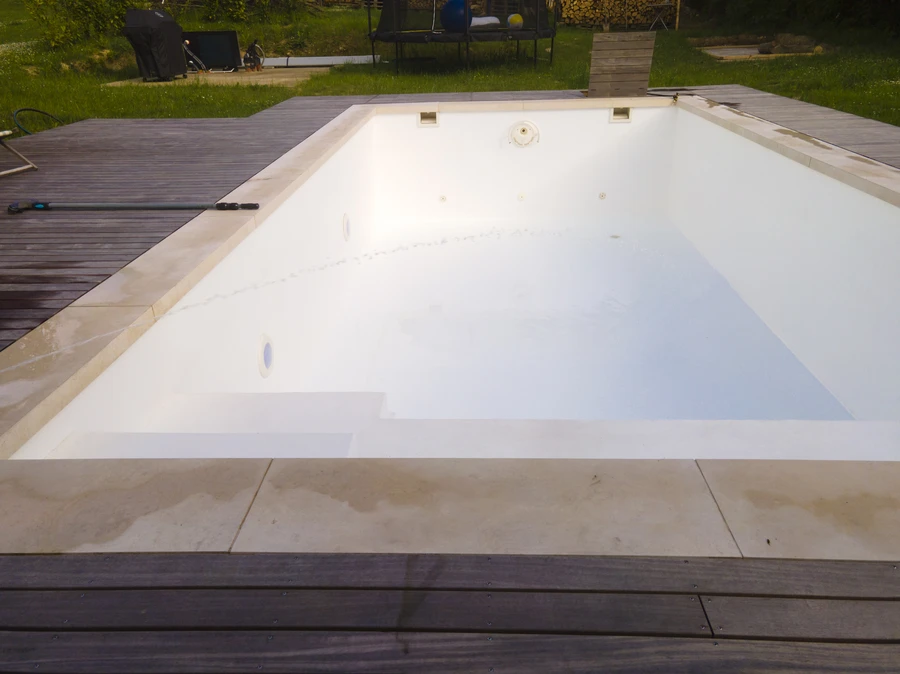
Pool surfaces take a lot of stress every day. Sun, heat, pool chemicals, dirt, and moving water all wear on the finish. Even a strong plaster surface can break down too soon if the water is off balance or the first install was rushed. Good pool plastering is not just about how the pool looks on day one. It is also about how well that finish stands up after months and years of use.
Prevention saves time and cuts down on major repair needs. A small rough patch today can turn into a larger weak area later. A light stain can become harder to clean if it sits too long. If the plaster starts to etch, chip, or hollow out, the fix may require much more than basic upkeep.
Early Warning Signs
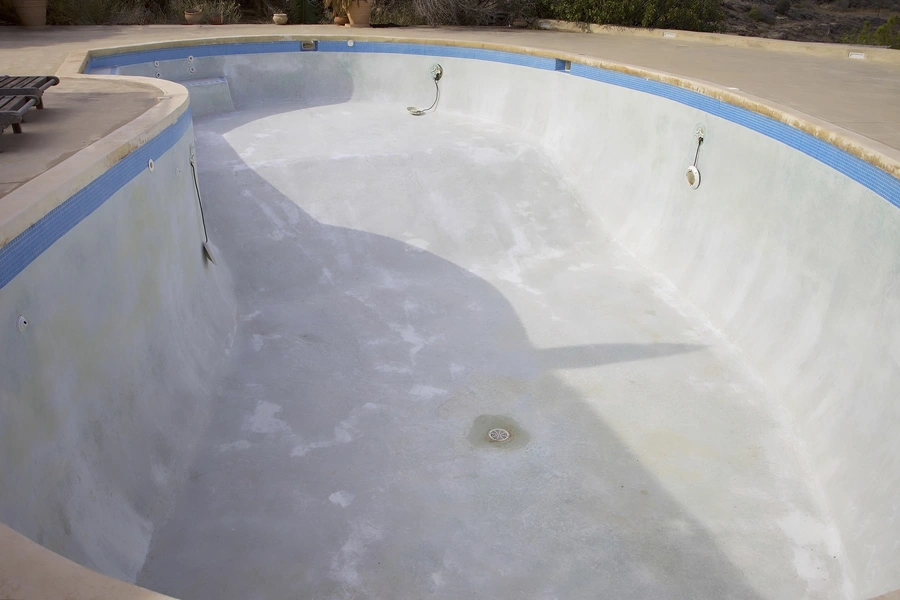
Many pool owners miss the first signs of plaster trouble because the changes happen slowly. Catching these signs early can help you protect the finish longer.
- Rough spots on the walls or floor
- Small hairline cracks
- Stains that keep coming back
- Color changes or fading areas
- Flaking, chipping, or peeling
- White scale buildup on the surface
- Spots that feel weak or sound hollow
If you notice one or more of these issues, it helps to act fast. Some signs point to water balance problems. Others show that the surface itself is wearing out. In the service category, surface care often overlaps with cleaning, repair, and finish inspection, even when the main issue seems small at first.
Seasonal or Routine Checklist
A simple routine can help your pool finish last longer. You do not need a hard plan, but you do need steady habits. Small tasks done on time are easier than large repairs later.
- Brush the plaster surface each week to remove dirt and early scale.
- Test the water often and keep chemistry balanced.
- Clean out leaves and debris before they leave stains.
- Check for rough patches, cracks, or discoloration every month.
- Watch the water line for scale or mineral buildup.
- Schedule a surface check if the pool is older or heavily used.
- After storms or heavy use, inspect the finish again.
This routine helps support better pool plastering results over time. It also helps you spot changes before they spread across a larger area.
Best Practices for Long-Term Results
Long-term results come from a mix of good installation and smart upkeep. One of the biggest factors is balanced water. Water that is too acidic can wear away plaster. Water with too many minerals can leave scale and hard deposits. Both can shorten the life of the finish.
Brushing matters too. Newer plaster surfaces often need more brushing at the start because dust and residue can settle on the surface. Older pools still need routine brushing so buildup does not harden. It also helps to avoid long periods of neglected water, especially during hot weather.
Another smart step is dealing with stains early. Organic stains from leaves are different from metal stains or calcium marks. Using the wrong cleaner or scrubbing too hard can make the damage worse. A careful approach protects the finish while still treating the problem.
If you are planning a resurfacing project, ask about prep work, curing time, and aftercare. Good pool plastering is not only about applying material. The base surface must be sound, clean, and ready. If not, even a fresh finish may fail sooner than expected.
What Not to Do
Some common habits can shorten the life of a pool surface. These problems are easy to overlook because the damage builds slowly.
- Do not ignore small cracks or chips
- Do not let debris sit in the pool for long
- Do not use harsh tools that scratch the surface
- Do not allow water chemistry to swing too far up or down
- Do not drain the pool without expert advice
- Do not assume stains are only a cleaning issue
Draining a pool at the wrong time can create serious structural stress. Strong acid washing done too often can also wear down plaster faster. Quick fixes may sound simple, but they can reduce the life of the finish if used the wrong way.
When to Schedule Professional Help
Some pool surface issues are safe to monitor, but others need trained help. If the finish feels sharp on your feet, has wide cracks, is losing chunks, or keeps staining no matter what you do, it is time for a closer look. A professional can tell whether the problem is cosmetic, chemical, or structural.
You should also schedule help if the pool is older and has not had a surface review in years. The same goes for a home you just bought. A pool can look fine from a distance while hiding weak plaster below the water line or in shaded spots.
Professional pool plastering support can help with patching, resurfacing plans, startup care, and finish selection. That kind of guidance can help you avoid repeat repairs and get a finish that lasts longer in daily use.
Get the Right Next Step
If you are seeing wear on a pool in Fontana, CA, we can help you figure out the next step. We invite you to contact us for a surface review and honest guidance. At Prosper Pool Plastering, we focus on practical pool plastering solutions that support a long lasting finish. Call us at (909) 278-6352 to get started.