Simple Habits That Help Keep Pool Water Clear and Clean
To prevent algae growth through regular pool maintenance, keep the water balanced, clean the pool often, run the filter long enough each day, and fix small water problems early. Algae grows fast when sanitizer levels drop, water sits still, or debris stays in the pool. A steady care routine is the best way to stop green, yellow, or black algae before it spreads.
Why Prevention Matters
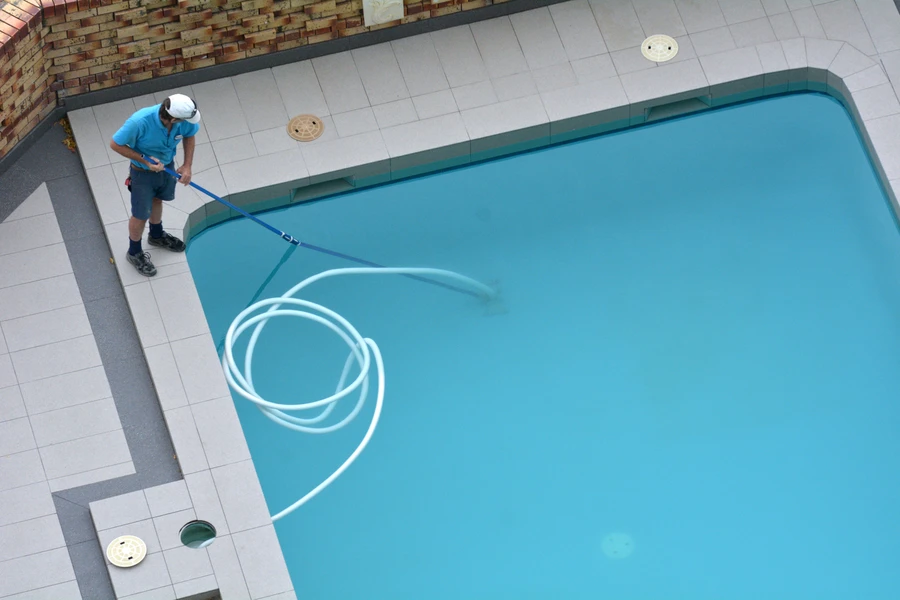
Algae can make a pool look dirty very fast. It can turn water cloudy, stain pool walls, and make steps slippery. Once algae takes hold, cleanup takes more time, more chemicals, and more brushing. Regular pool maintenance helps stop that cycle. Small weekly tasks are easier than treating a full algae bloom.
Good care also helps your equipment. When algae clogs filters and throws off water balance, pumps and other parts may work harder than they should. Clean water is safer for swimmers and easier on the whole system. Even simple service habits in a broader service category can make a big difference when they are done on time.
Early Warning Signs
Most pools do not turn green overnight without warning. There are usually small signs first. If you catch them early, you can fix the issue before it gets worse.
- Water starts to look dull instead of bright
- Pool walls feel slick or slimy
- Small green, yellow, or dark spots show up
- Chlorine seems to disappear too fast
- Water turns cloudy after hot days or heavy rain
- Debris piles up in corners or steps
These signs often point to weak sanitizer, poor circulation, or extra dirt in the water. Hot weather in Fontana, CA can make this happen even faster, especially if a pool is used often.
Seasonal or Routine Checklist
A simple routine is one of the best ways to stop algae. Pool maintenance does not need to be hard when it is done on a set schedule. Daily, weekly, and monthly tasks all help.
- Test chlorine, pH, and other water levels each week.
- Adjust chemicals right away if levels are off.
- Skim leaves, bugs, and dirt from the surface.
- Brush walls, steps, ladders, and corners every week.
- Vacuum the pool to remove settled debris.
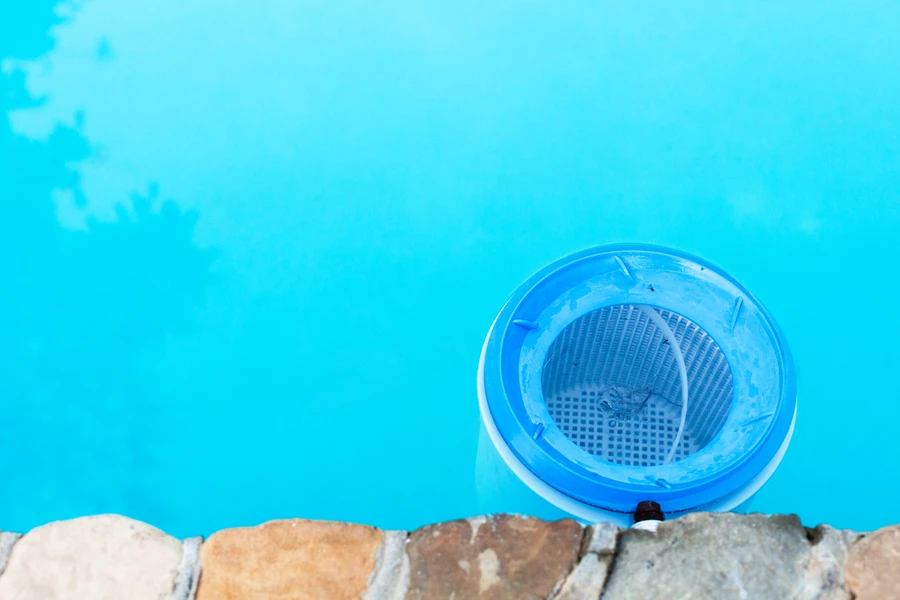
- Empty skimmer and pump baskets often.
- Run the filter long enough each day for good circulation.
- Backwash or clean the filter when pressure rises.
- Shock the pool as needed after storms, parties, or heavy use.
- Keep water at the right level so the system works well.
During warm months, many pools need more attention. Sun, heat, rain, and swimmers all change the water. After a storm, extra leaves and dirty runoff can feed algae growth. That is why regular pool maintenance should be adjusted with the season instead of staying the same all year.
Best Practices for Long-Term Results
Long-term algae control comes from steady habits. Test strips can help, but full water testing gives a clearer picture when problems keep coming back. Balanced water helps sanitizer work the way it should. If pH is too high or too low, chlorine may not do its job well.
Circulation matters just as much. Algae likes still water, so dead spots behind ladders, near steps, and in corners need extra brushing. A pool that looks clean on top may still have hidden buildup below the surface. Brushing breaks that film so sanitizer can reach it.
It also helps to watch the area around the pool. Dirt, mulch, grass clippings, and plant matter can blow into the water. These add food for algae. Keeping the deck cleaner can lower the strain on your pool care routine. A clean filter is another big part of long-term success. If the filter is dirty, water cannot move through the system as well.
What Not to Do
Some pool owners wait until they see green water before taking action. That usually makes the job harder. Others add extra chemicals without testing first. That can waste money and throw the water even more off balance.
Here are a few things to avoid:
- Do not skip brushing because the water looks clear
- Do not run the pump for too few hours
- Do not ignore cloudy water or slippery spots
- Do not let baskets stay packed with debris
- Do not mix chemicals without reading directions
- Do not treat the same problem again and again without checking the cause
Another mistake is closing the pool season without proper cleanup or opening it late after algae has already started. Preventing growth is always easier than fixing a bloom that has spread across the whole pool.
When to Schedule Professional Help
Some algae problems are simple, but others keep coming back no matter how much you brush or shock the water. That may mean there is a deeper issue with circulation, filtration, hidden buildup, or water chemistry. Professional help may also be a smart choice if you see black algae, strong staining, or cloudy water that will not clear up.
Regular service visits can help busy homeowners stay ahead of trouble. A trained team can spot weak sanitizer levels, dirty filters, and early algae signs before they become bigger problems. Professional pool maintenance is also helpful after storms, long vacations, or times of heavy pool use.
Get Help Before Algae Takes Over
If your pool in Fontana, CA needs a steady care plan, we can help keep it clean and easier to manage. At Prosper Pool Plastering, we handle pool maintenance with routines that fit your pool’s needs. Call us at (909) 278-6352 to set up service or talk about the best next steps.