Simple Steps to Keep Tile and Pool Surfaces Clean and Smooth
Keeping pool tiles and surfaces clean starts with a simple routine. Brush the tile line each week, test the water on a set schedule, and clean stains before they sit too long. This helps stop scale, algae, and dull spots from building up. In many cases, good pool maintenance is less about hard scrubbing and more about staying consistent with small tasks.
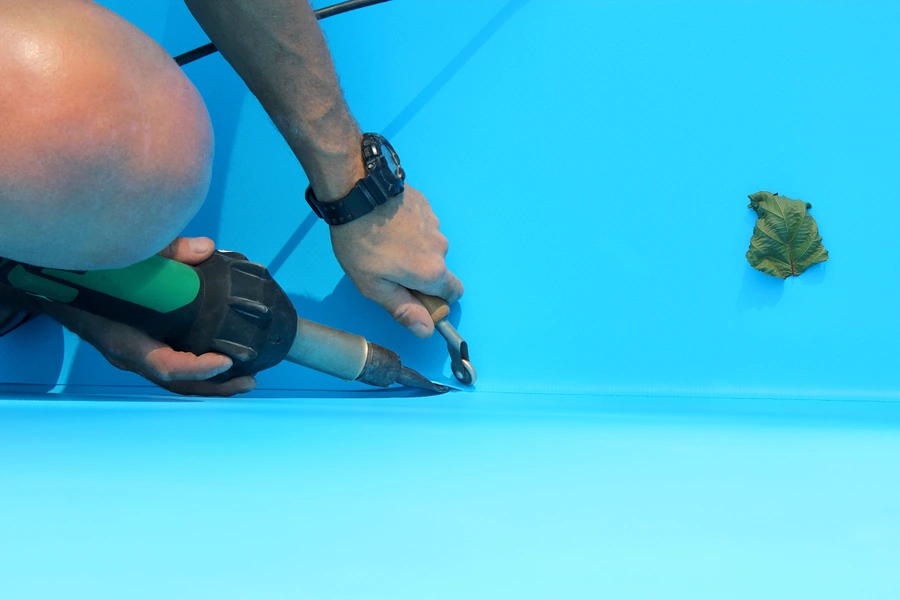
What You Need Before Starting
Before cleaning, gather a few basic tools. The right supplies make the job faster and safer. You do not need a huge setup for regular care, but using the wrong cleaner can damage tile, plaster, vinyl, or stone.
- Pool brush made for your surface type
- Soft scrub pad or non-scratch sponge
- Tile cleaner made for pools
- Test kit or test strips
- Telescopic pole
- Pool vacuum or skimmer
- Protective gloves
- A small bucket for mixing safe cleaning solution
It also helps to know what kind of surface you have. Ceramic tile, glass tile, plaster, pebble, fiberglass, and vinyl all need slightly different care. If you are not sure, a pool maintenance team can help identify the finish and suggest safe products. If your service category keyword is part of a larger outdoor care plan, keep those cleaning products away from the pool unless they are made for this use.
Step-by-Step Process
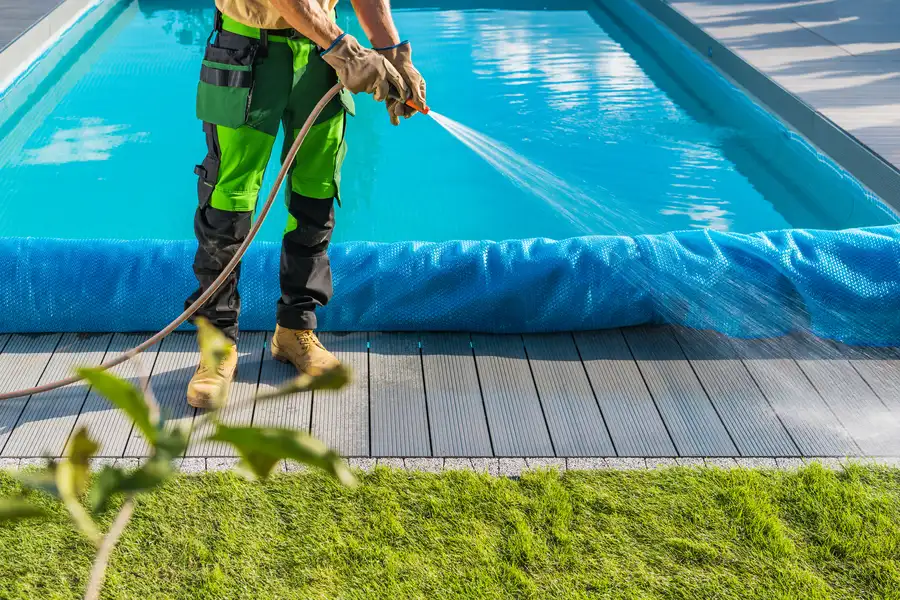
A simple step-by-step plan makes pool maintenance easier. Regular care keeps dirt from turning into thick buildup.
- Skim leaves and debris from the water first.
- Brush the waterline tile to loosen oils and dirt.
- Clean any visible scale with a pool-safe tile cleaner.
- Brush the walls, steps, and floor with the right brush.
- Vacuum the pool to remove loosened debris.
- Test water balance and adjust as needed.
- Run the filter long enough to clear the water.
- Check problem spots again the next day.
The waterline is often the dirtiest part of the pool. Sunscreen, body oils, and dust collect there fast. A quick weekly scrub can stop a thick ring from forming. For surface areas below the water, brushing helps keep algae and mineral deposits from sticking.
If you see white crusty marks on tile, that is often calcium scale. If you see green or dark patches, algae may be starting to grow. Both problems can get worse if water chemistry stays off for too long. Good pool maintenance includes keeping pH, alkalinity, and sanitizer within the proper range.
Common Mistakes to Avoid
Many pool owners work hard but still get poor results because of a few common mistakes. Small errors can scratch the finish or make stains set deeper.
- Using a wire brush on delicate tile or vinyl
- Using household cleaners not made for pools
- Ignoring water balance after cleaning
- Letting scale build up for months
- Scrubbing too hard on soft surfaces
- Skipping weekly brushing and waiting for stains
One big mistake is treating every stain the same way. Rust, algae, calcium, and dirt do not clean up the same way. Another mistake is lowering the water too often to clean tile. That can create other surface issues if it is done the wrong way or for too long.
When to Call a Professional
Some tile and surface issues need more than basic brushing. If scale is thick and hard like rock, it may need bead blasting or another pro cleaning method. If stains keep coming back, the real problem may be metal in the water, poor circulation, or a failing finish.
You may want professional help if:
- Tile has heavy calcium buildup
- Surface stains return right after cleaning
- Plaster feels rough or starts flaking
- Grout is cracking or falling out
- Algae keeps growing in the same spots
- The water stays cloudy after normal cleaning
A trained pool maintenance provider can spot issues that are easy to miss. They can also use tools and treatments that are safer for delicate finishes. This matters even more if the pool has natural stone, older plaster, or glass tile that can be damaged by harsh methods.
Final Recommendation
Staying ahead of dirt and scale is the best way to keep a clean finish. Brush often, test the water, and clean small marks before they spread. In Fontana, CA, pools can pick up dust, debris, and mineral buildup fast, so a set routine helps a lot. If the tile looks dull, the walls feel rough, or stains keep coming back, contact us at (909) 278-6352. At Prosper Pool Plastering, we help homeowners with pool maintenance and surface care so our work stays clean, safe, and easy to manage.