The Ground Under Your Yard Can Change the Whole Pool Plan
Soil plays a big part in swimming pool installation because it affects digging, drainage, wall support, and long-term pool strength. Some soil holds water. Some shifts too much. Some packs tight and stays firm. If the ground is not checked first, a new pool can face cracks, settling, or drainage trouble later. In Fontana, CA, soil testing before the job starts can help homeowners avoid delays and choose the right build method for their yard.
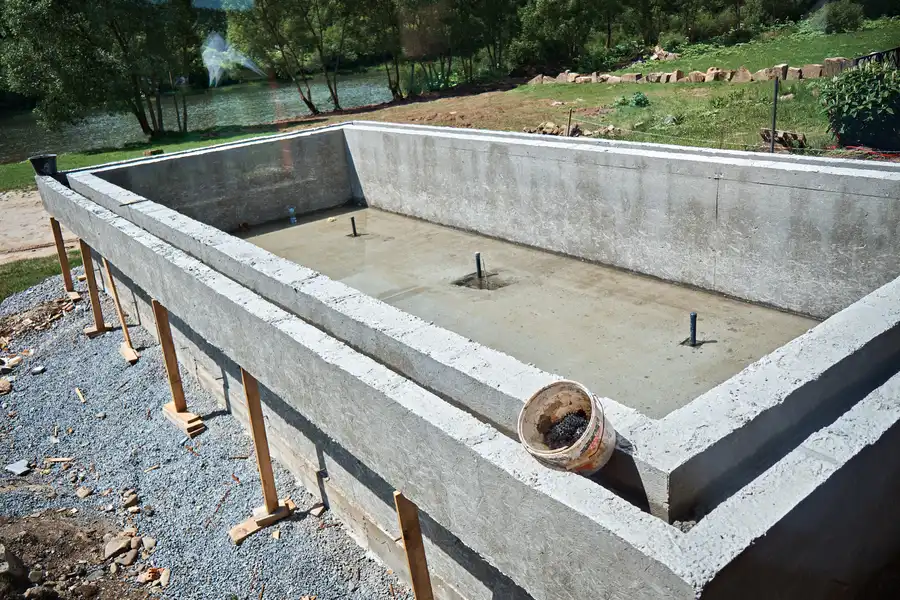
What You Need Before Starting
Before any swimming pool installation begins, it helps to know what is under the grass. A yard may look flat and solid on top but still have weak or wet soil below. Builders often start with a site check, basic grading review, and soil test. This gives a better idea of how the ground will react during digging and after the pool is filled with water.
The service category keyword may be broad, but it still matters here because site prep is part of the bigger project. Good planning at the start can save time and reduce surprise problems once equipment arrives.
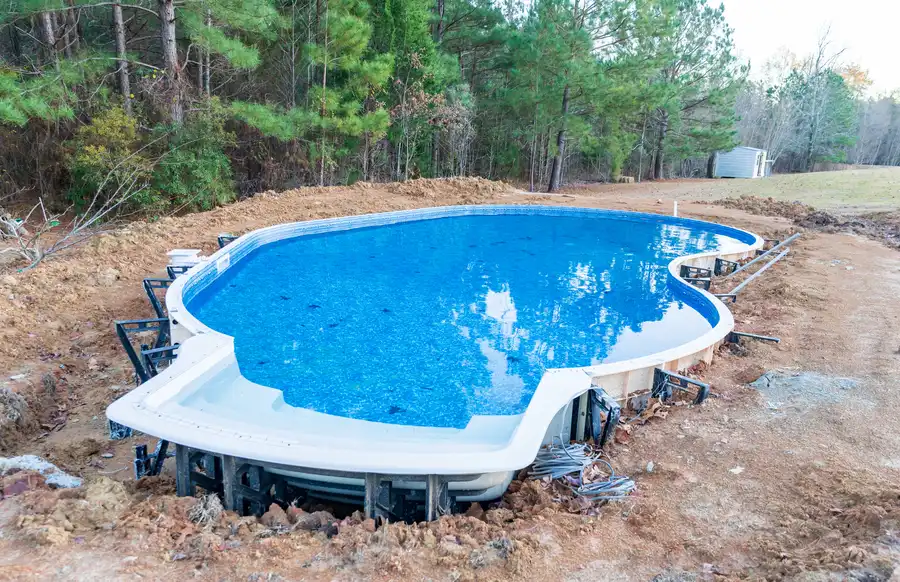
Step-by-Step Process
Most projects follow a simple path when soil conditions are part of the plan. Each step helps lower the chance of ground-related trouble.
- Inspect the yard and look for slopes, wet spots, and drainage paths.
- Test the soil to learn if it is clay, sand, rock, or mixed fill.
- Check how well the soil drains after rain or watering.
- Review the pool design to match the ground conditions.
- Plan for grading, drainage lines, or added support if needed.
- Excavate with care so the soil walls do not collapse.
- Compact or stabilize loose areas before the shell goes in.
- Finish the build with drainage control around the pool area.
For example, clay-heavy soil can swell when wet and shrink when dry. That movement can stress a pool shell over time. Sandy soil drains better, but it may shift during excavation if it is not supported well. Rocky soil can be stable, but it may slow digging and change the layout if large rock sits in the way.
Common Mistakes to Avoid
One common mistake is assuming all soil is the same across a property. The backyard may have one kind of soil near the house and another near the fence. Another mistake is skipping drainage planning. Even strong soil can become a problem if runoff flows toward the pool and soaks the ground around it.
Some homeowners also focus only on the pool shape and size, not the yard’s limits. A large pool placed in a low, wet area can cost more time and effort because the site may need extra prep. Rushing excavation is another issue. If loose or wet soil is dug too fast, the sides can cave in and create safety risks.
When Soil Problems Show up During the Job
Sometimes trouble is found after digging starts. That does not always mean the project has to stop for good, but it may need a new plan. If the crew finds buried debris, old fill dirt, or standing water in the hole, the base may need work before the build can move on. This can include removing bad material, adding compacted fill, or setting up better drainage.
Another problem is expansive soil. This type of ground changes size as moisture levels change. Over time, that motion can put pressure on pool walls and decking. In these cases, builders may suggest design changes or support methods made for moving ground.
Safe Fixes Vs Pro-Level Fixes
There are a few simple things a homeowner can watch before a project starts. You can look for puddles that stay for days, areas where grass dies from too much water, or spots where the yard feels soft. You can also note cracks in nearby patios or signs that the property slopes toward the future pool area.
Still, most soil fixes are not do-it-yourself work. Professional-level fixes may include:
- soil testing and load review
- grading changes
- drainage system installation
- compaction of fill areas
- retaining walls or structural support
- design updates for unstable ground
These issues affect safety and long-term performance, so they usually need experienced planning. A pool is heavy even before people swim in it. Once filled, the shell and water put major pressure on the ground below and around it.
Prevention Tips for Better Long-Term Results
The best way to avoid soil trouble is to check the site early. A simple review before final design can help match the pool type and location to the yard. It also helps to keep water moving away from the pool area after installation. Gutters, drains, and yard grading all play a part.
Try to keep these tips in mind:
- do not place the pool in the wettest part of the yard if another location works better
- fix drainage trouble before digging starts
- do not ignore signs of past fill dirt or buried material
- ask about the soil type before choosing the final design
- keep heavy runoff away from the pool deck and shell
These steps can help the pool last longer and reduce repair risk later. They also help the build stay on schedule with fewer changes once the work begins.
Final Recommendation
If you are planning swimming pool installation in Fontana, CA, start with the ground, not just the pool design. Soil can affect cost, timing, drainage, and how well the finished pool holds up over the years. At Prosper Pool Plastering, we help property owners review site conditions and choose smart solutions before digging begins. Call us at (909) 278-6352 to talk about your yard, your goals, and the next steps.