The Best Pool Design Starts With Your Space, Your Goals, and Safe Long-Term Use
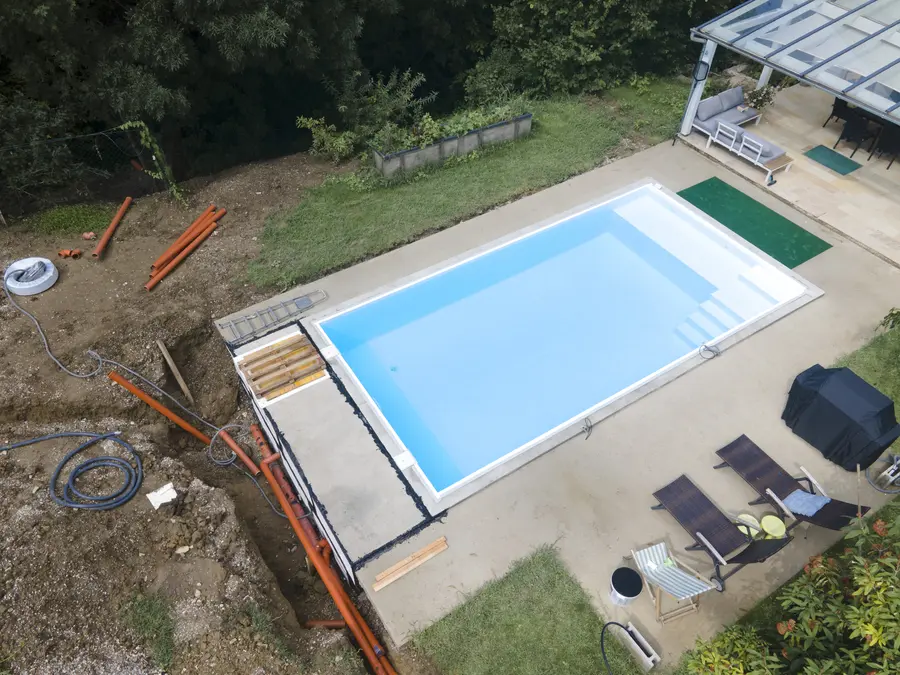
Good pool design is about more than shape and color. The right plan should fit your yard, match how your family will use the pool, and make care easier later. If you are thinking about swimming pool installation in Fontana, CA, start by looking at size, depth, layout, safety, sun, drainage, and deck space. A smart plan at the start can help you avoid changes, delays, and daily problems after the pool is built.
Quick Answer
The main features to think about during pool design are pool size, depth, shape, entry points, seating, safety, sunlight, privacy, and how the pool works with the rest of the yard. You should also think about cleaning, water flow, and future use. A pool that looks nice but is hard to use can become a problem fast. A well-planned swimming pool installation should feel easy, safe, and useful every day.
What You Need Before Starting
Before any design choices are made, it helps to gather a few basic details. Start with your property size and the spot where the pool may go. Think about who will use it most. A family with young kids may need a shallow play area and wide steps. A homeowner who wants exercise may want a long, straight section for laps. A couple who likes to host may want benches, lighting, and room around the pool for guests.
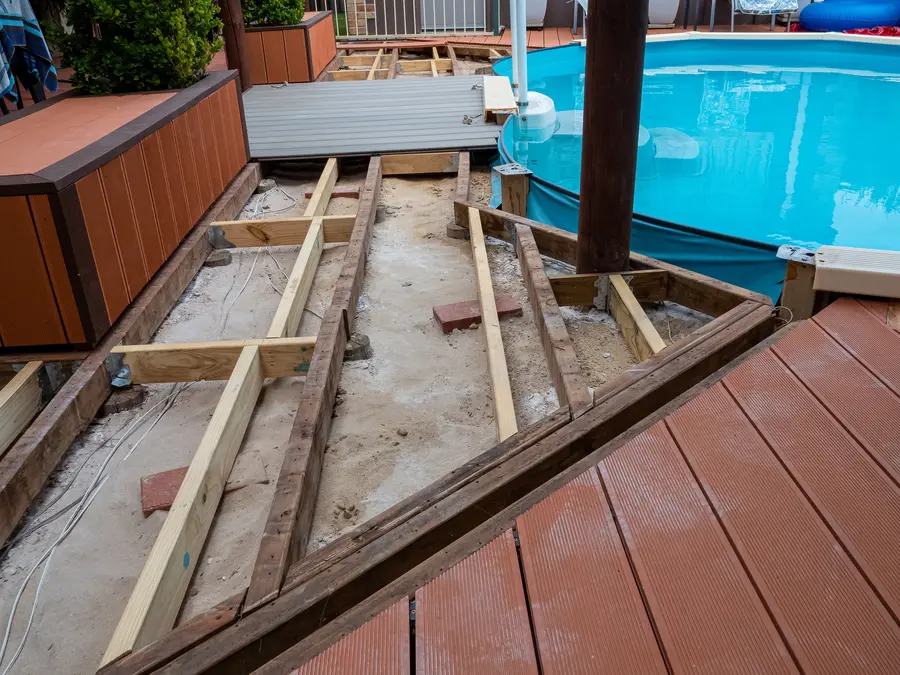
You should also check local rules, fence needs, and setback limits. Soil, slope, and drainage also matter. These details affect the type of swimming pool installation that works best on your property. Even the blank service category keyword can connect to design choices when outdoor living needs to blend with the pool area.
Step-by-Step Process
A simple design process can help you stay on track and make better choices.
- Pick the main use of the pool. Decide if it is for play, exercise, relaxing, or hosting.
- Measure the yard. Leave room for fencing, deck space, and walking paths.
- Choose the shape. Freeform pools feel softer. Straight lines give a clean, modern look.
- Set the depth plan. Not every pool needs a deep end.
- Add entry and exit points. Steps, tanning ledges, and handrails can improve comfort and safety.
- Plan the deck area. Think about shade, seating, and traffic flow.
- Review sun and wind. This affects water temperature, comfort, and debris.
- Think about maintenance. Skimmer placement, filters, and surface materials affect daily care.
- Check lighting and features. Bubblers, waterfalls, and lights should fit your goals, not just your budget.
- Talk with a pool professional before final plans are approved.
Common Mistakes to Avoid
One common mistake is making the pool too large for the yard. A big pool can leave little room for chairs, grilling, or safe walking space. Another mistake is picking deep water that rarely gets used. Many homeowners later find that a more useful shallow area would have been better.
People also forget about how the pool connects to the house. If the path from the back door feels awkward, the whole yard can feel less useful. Poor drainage is another issue. Water should move away from the home and pool deck, not collect around them. During swimming pool installation, skipping these planning points can lead to repair needs and frustration later.
- Do not place style over safety.
- Do not ignore deck space.
- Do not forget shade and privacy.
- Do not add too many features just because they look nice.
- Do not skip permits or site checks.
When Design Choices Matter Most
Some features have a bigger effect than others. Depth is one of them. A pool built for games and family time may work better with a wide shallow end. Entry design also matters a lot. Steps that are too small or too steep can make the pool harder for kids, older adults, or guests to enjoy.
Material choices matter too. Pool finish, coping, and decking all affect heat, slip resistance, and care needs. A pretty surface that gets too hot in summer can make the area less comfortable. The best swimming pool installation plans balance looks with day-to-day use.
When to Call a Professional
You should call a professional early if your yard has a slope, drainage issues, tight access, or local permit rules that seem confusing. Expert help also matters if you want custom features like an infinity edge, raised spa, sun shelf, or built-in lighting. These parts need careful planning so the pool works well and stays safe.
A professional can also help you avoid design choices that seem good on paper but do not work well in real life. For example, a sharp corner may collect debris, or a feature wall may reduce deck space more than expected. Good guidance during swimming pool installation can save time and reduce change orders later.
Final Recommendation
The best pool design is one that fits your life, not just your wish list. Start with how you want to use the pool, then build the design around safety, comfort, and easy care. Think about the whole yard, not only the water. A clear plan now can help you enjoy the final result for years.
Get Help With Your Next Pool Project
If you are planning a pool project in Fontana, CA, reach out for guidance that fits your yard and your goals. Prosper Pool Plastering can help you sort through layout ideas, safety features, and practical design details before construction starts. Call us at (909) 278-6352 to talk about your plans and see what may work best for your property.